





Common signs of pain and discomfort in pets

Unable to settle in certain environments or at home

Fussy eating

Excessive salivating and panting

Reactive to people and animals

Noise phobia

Separation anxiety

Excessive barking
Why managing stress is the key to managing health in your pets - here’s how
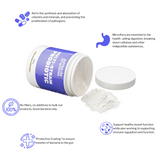
Stress on the body from external triggers for our pets is the number one disrupter to gut and immune health and can be a co-factor in many other health conditions.
That’s why our approach goes beyond symptom relief. We aim to heal the gut, strengthen immunity, and support the nervous system with a comprehensive mood range.
Answer: The gut-brain axis is the two-way communication network between the gastrointestinal tract and the brain. It links the nervous, immune, and endocrine systems—meaning gut microbes can influence mood, behaviour, and brain function, while the brain can affect digestion and gut health.
Answer: Stress triggers the release of hormones like cortisol and adrenaline, which prepare the body for “fight or flight.” When stress is prolonged, these hormones can disrupt immune function, digestion, sleep, and metabolism—leading to various health problems over time.
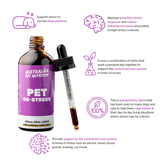
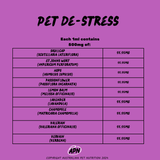
Answer: Herbs can calm the nervous system by supporting relaxation, reducing stress hormones, and balancing neurotransmitters. For example, herbs like chamomile, lavender, and vervain contain natural compounds that soothe the body’s stress response and promote a sense of calm.
Answer: Stress on the body from external triggers is the number one disrupter of gut and immune health and can be a co-factor in many other health conditions. When pets experience ongoing stress, it can weaken digestion, suppress immunity, and amplify inflammation — making them more vulnerable to illness, allergies, pain, and behavioural changes.
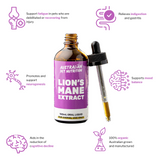
Supporting mood helps calm the nervous system, reduce the impact of stress hormones, and restore balance across the gut–brain–immune axis. By managing stress proactively, we can improve whole-body wellbeing and support long-term health, not just relieve symptoms.