





Common signs of skin issues include:

Paw licking

Chewing skin

Frequent scratching

Hot spots

Hair loss

Digestive upset

Fussy eating

Itching after walks or contact with certain environments
Why Your Dog has skin issues — And What to Do
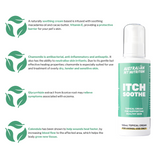
Most allergies and skin issues start in the gut, even if they show up on the skin.
That’s why our approach goes beyond symptom relief. We aim to heal the gut, strengthen immunity, and rebuild the skin barrier.
Answer: Seasonal allergies occur when the immune system identifies airborne pollens as harmful to the body, triggering an immune-mediated response. This activates mast cells to release histamine and other inflammatory mediators, causing symptoms like itching, sneezing, watery eyes.
Answer: A food allergy involves an immune response—typically IgE-mediated—where the body reacts to a specific food protein, causing symptoms like hives, swelling, or anaphylaxis.
A food intolerance does not involve the immune system and usually results from difficulty digesting certain foods, leading to symptoms like bloating, gas, or diarrhoea.
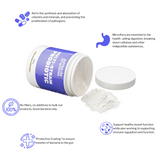
Answer: Gut health impacts the skin through the gut–skin axis, a communication network linking gut microbes, the immune system, and inflammation.
Imbalances in gut microbiota (dysbiosis) can increase intestinal permeability and systemic inflammation, which may contribute to skin conditions.
Answer: Both antihistamines and herbs can help manage allergy symptoms, but they work differently.
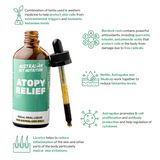
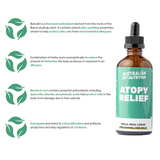
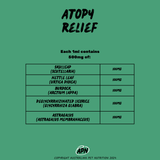
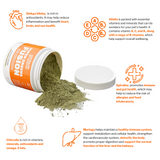
Antihistamines block histamine receptors to give fast, targeted relief, while herbal options like nettle, skullcap, or quercetin may help modulate the immune response and inflammation more gently over time.
The best choice depends on symptom severity, cause, and your health status—consult your healthcare provider before combining or switching treatments.